Seinäjoki, Finland – September 2025– The Interregional Learning Event (ILE) of the FISSH project was successfully organised during Food Days 2025 in Seinäjoki, bringing together representatives from all partner regions, public authorities, business support organisations, researchers and food sector stakeholders. The event combined a thematic workshop and seminar, good practice presentations and a study visit, offering a comprehensive platform for interregional exchange on sustainable food production and value chains for SMEs.
Interregional dialogue on sustainability challenges and opportunities
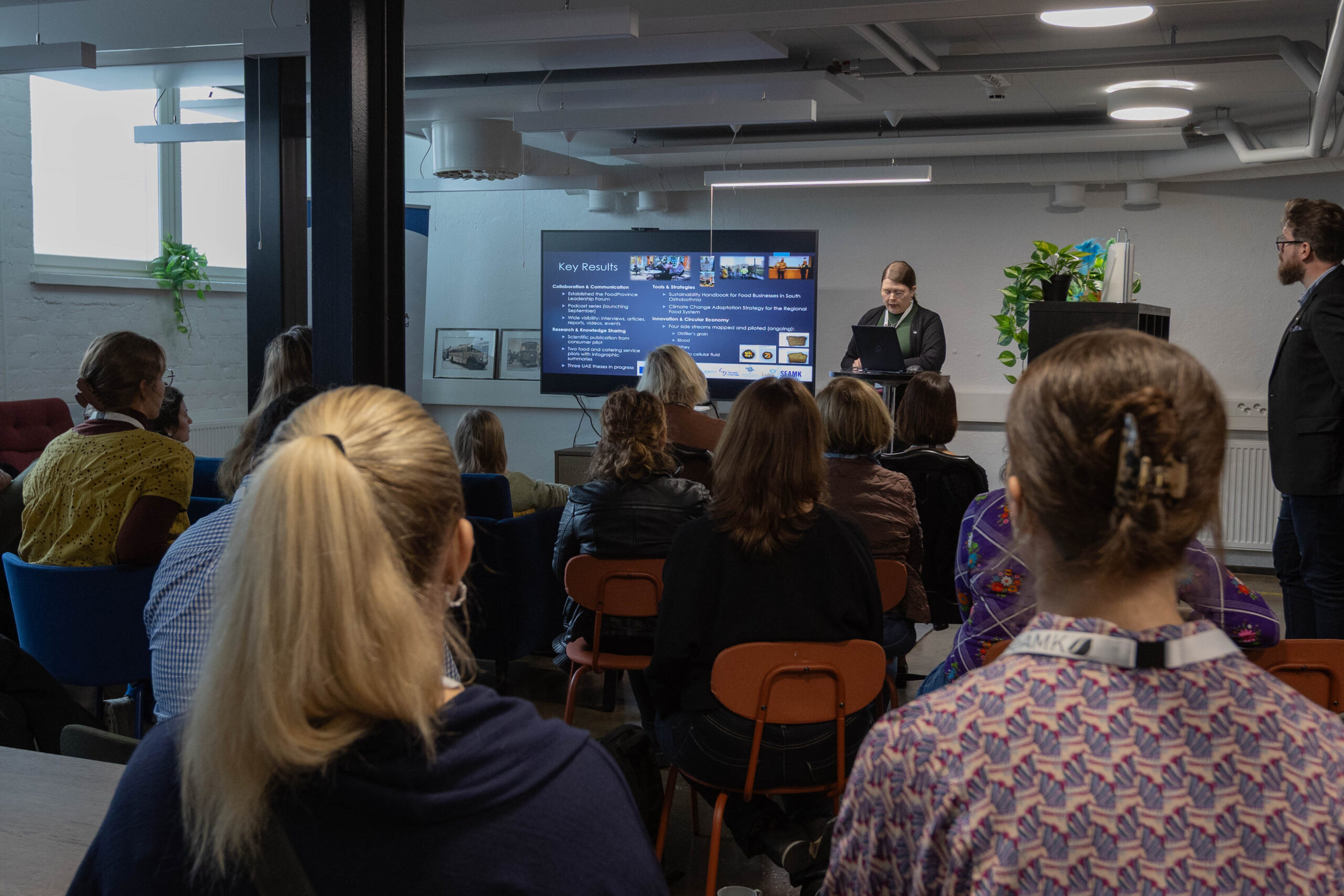
The thematic workshop and seminar focused on regional experiences and practical approaches to sustainability in the food sector. Two keynote speeches addressed long-term competitiveness of food SMEs and innovation-driven product development, highlighting how sustainability can strengthen resilience and profitability when adapted to regional contexts.
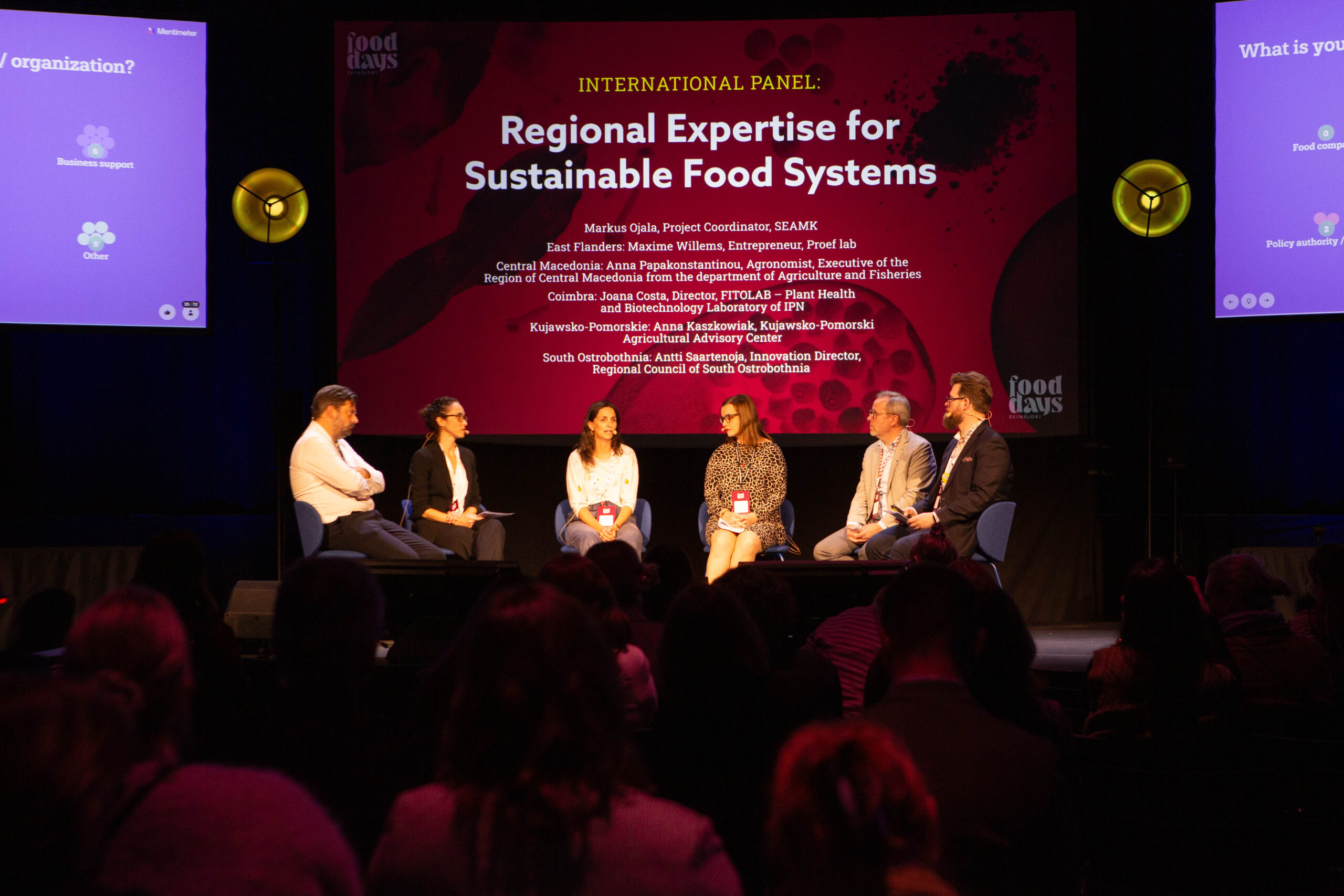
An interactive panel discussion gathered experts from Finland, Belgium, Greece, Portugal and Poland, reflecting the diversity of food systems across Europe. The discussion explored the outcomes of the regional self-assessments, identified common and region-specific challenges, and examined how policies can better support SMEs in their sustainability transition. The audience actively contributed throughout the session, ensuring a bottom-up perspective aligned with Interreg principles.
Shared priorities across regions
Despite different geographical, economic and climatic conditions, the discussions revealed several shared priorities across FISSH regions. These include the need to reduce dependence on non-renewable energy, respond to climate-related pressures, and improve resource efficiency across food value chains. Participants also stressed the importance of cooperation—both locally and across borders—as a key factor for strengthening regional food systems.
A recurring message was the gap between knowledge and implementation. While awareness of sustainability is growing, SMEs often need targeted support, practical tools and enabling policies to turn strategies into everyday business practices.
From measurement to communication
The event underlined the importance of monitoring sustainability performance, such as emissions and resource use, while also recognising that sustainability goes beyond single indicators. Topics such as biodiversity, soil quality and ecosystem resilience were highlighted as equally important.
Effective communication emerged as another key theme. Participants noted that sustainability messages should empower rather than blame, and that concrete examples and solutions are more effective than abstract debates in motivating change among producers and consumers.
Policy instruments and regional support models
The ILE showcased a wide range of regional support mechanisms for food SMEs, including innovation laboratories, advisory services, training programmes, clusters, public–private partnerships and financial incentives. These instruments help SMEs develop new products, improve processes, access markets and collaborate with research and public actors. Many of the presented approaches demonstrated strong potential for transfer to other regions through Interreg cooperation.
Good practices and study visit
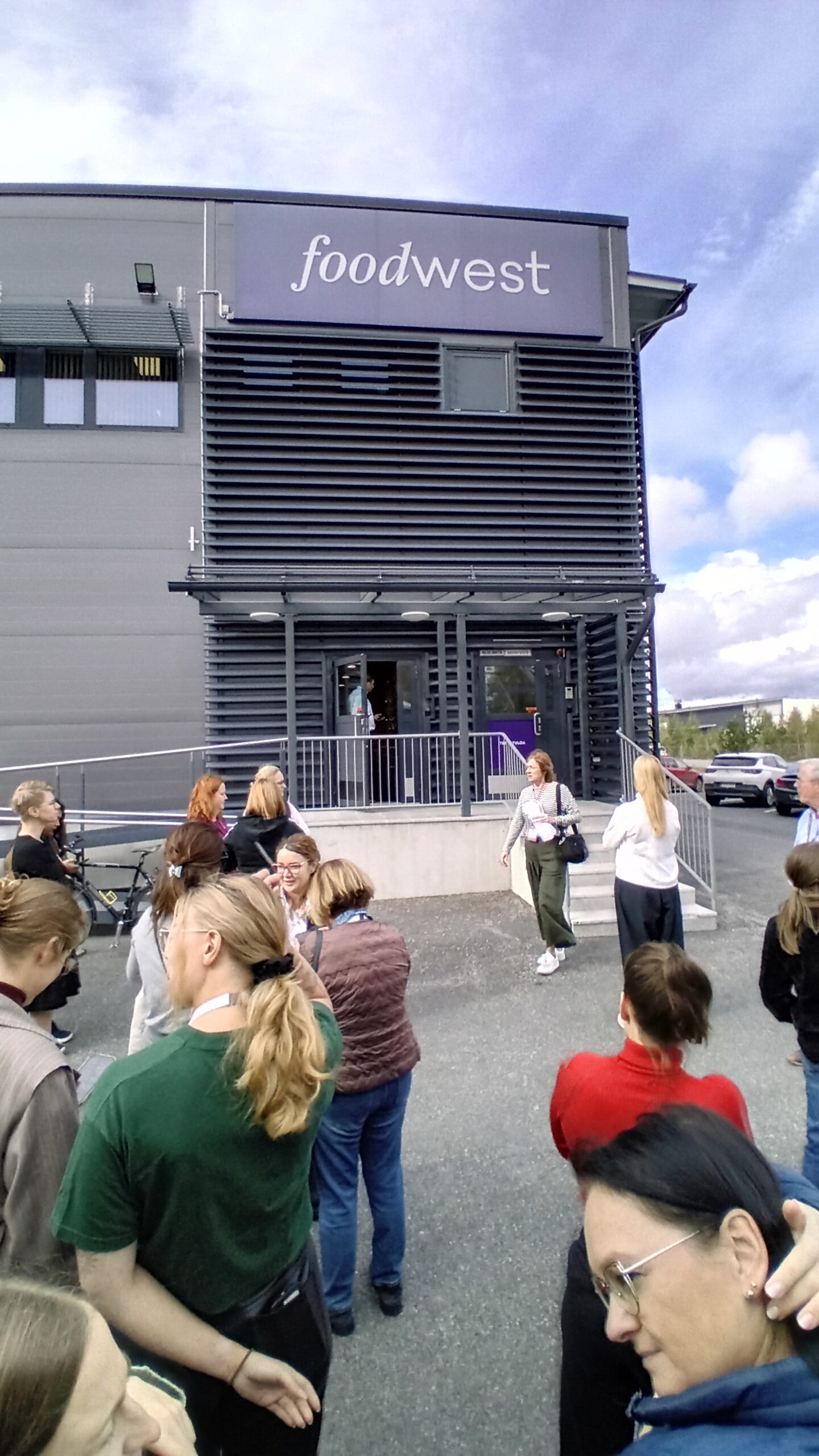
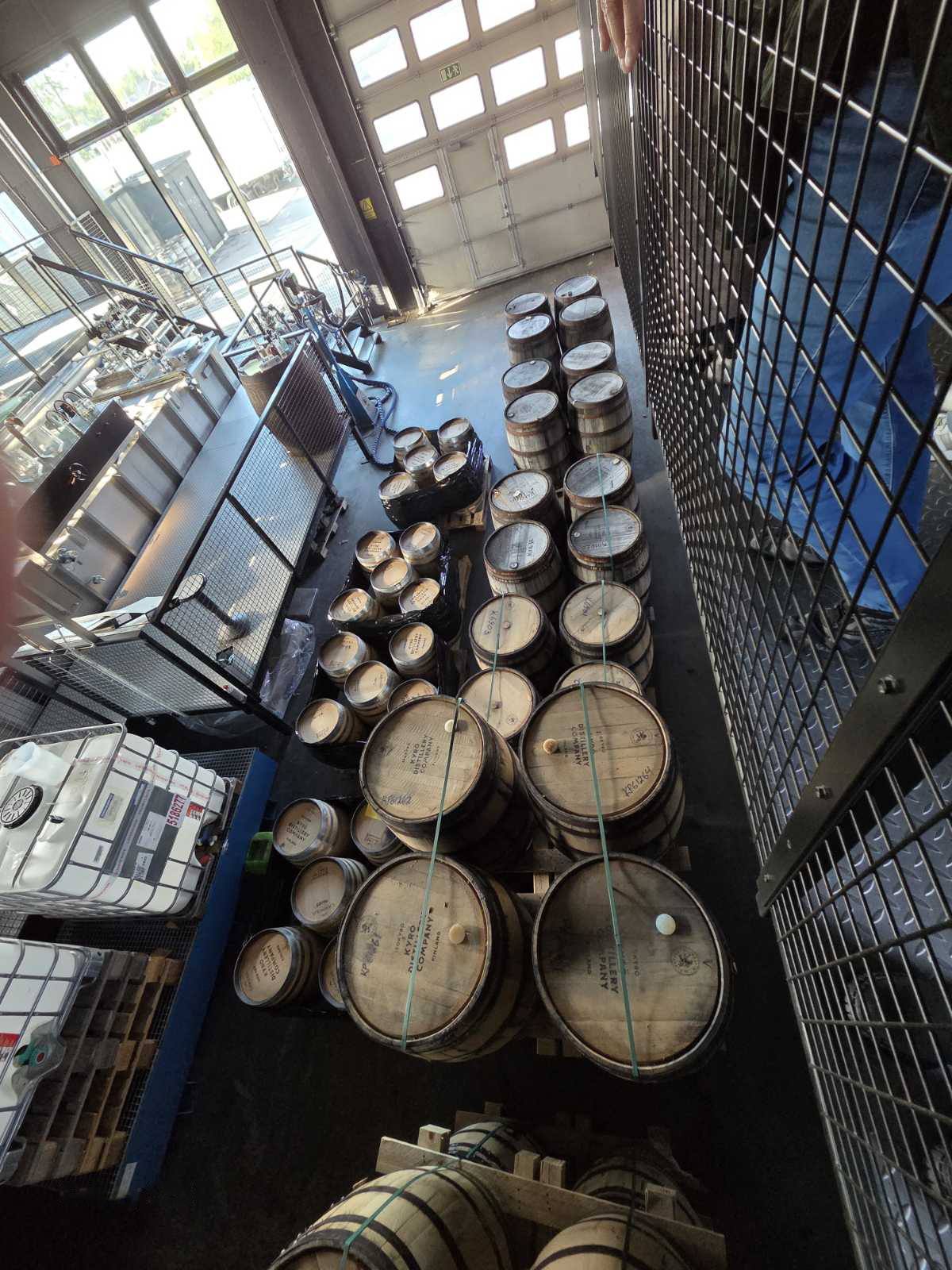
Good practice examples from the host region illustrated how regional policies can support green and digital transitions in the food sector. During the study visit, participants explored food innovation facilities, business support services and a successful regional company, gaining first-hand insight into how sustainability is implemented in practice—from research and product development to market-ready solutions.
Conclusions
The Interregional Learning Event confirmed the added value of interregional cooperation in addressing complex sustainability challenges in the food sector. By combining policy dialogue, practical examples and peer learning, the event strengthened mutual understanding among regions and contributed to the development of more effective, SME-oriented policy solutions. The outcomes of the ILE will further support the exchange of good practices and policy learning within the FISSH project framework.