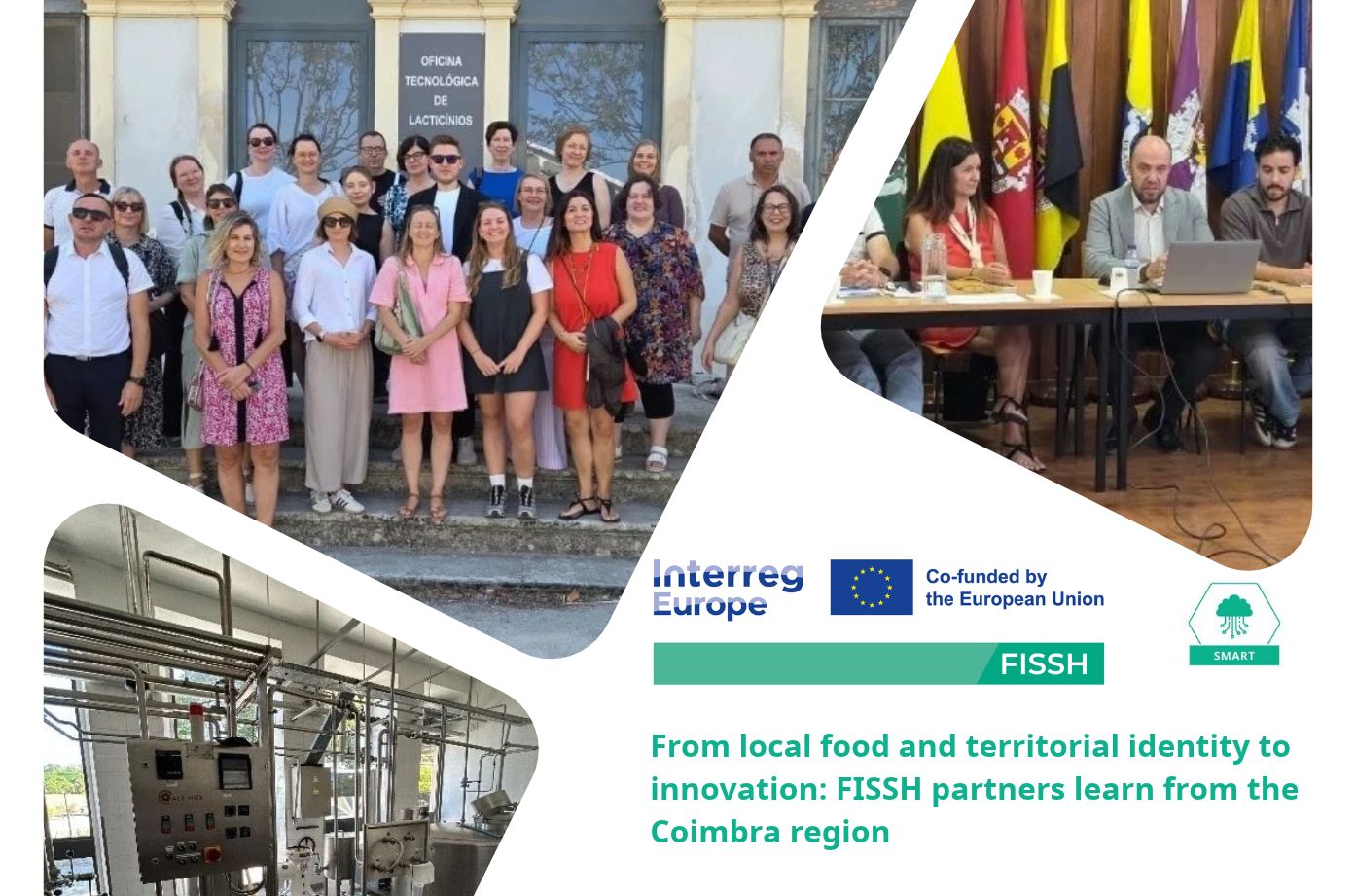
Coimbra, Portugal – 23–24 September 2026
How can regions strengthen sustainable food systems while helping small and medium-sized food businesses innovate, connect with consumers and create value from local resources?
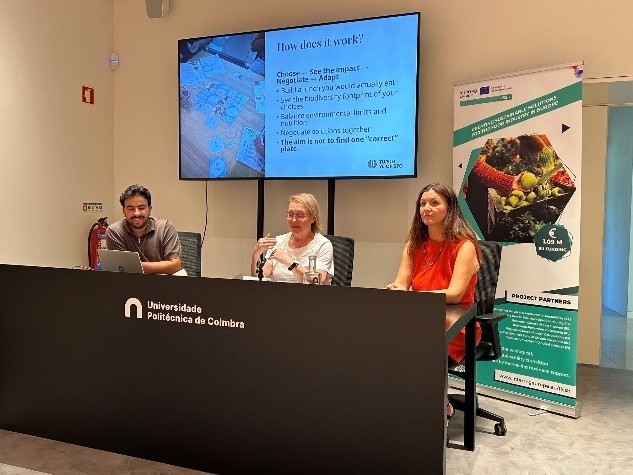
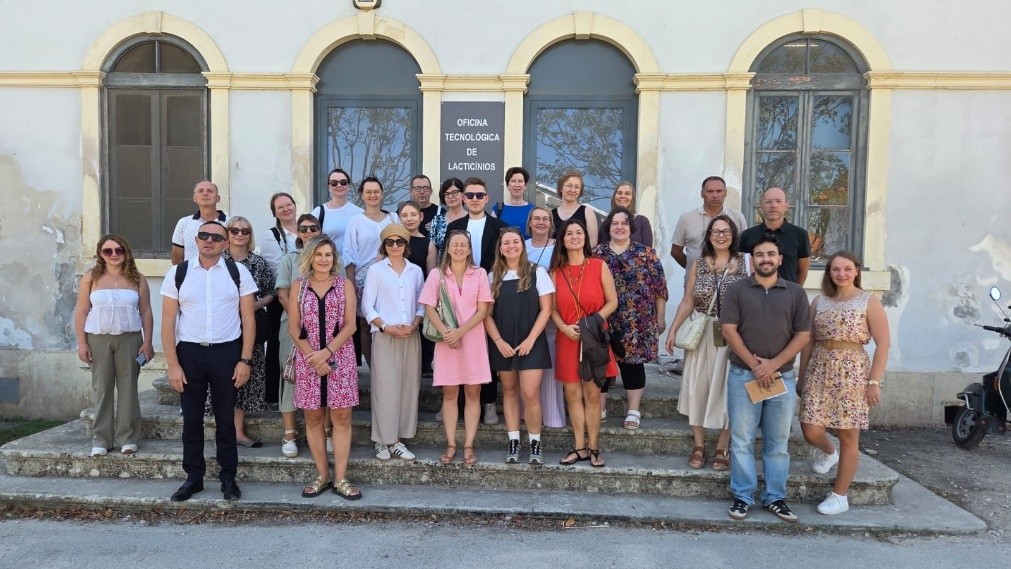
These questions were at the centre of the latest FISSH – Food Industry SMEs Sustainability Support and Help Interregional Learning Event, held in the Coimbra Metropolitan Region, Portugal, on 23–24 September 2026.
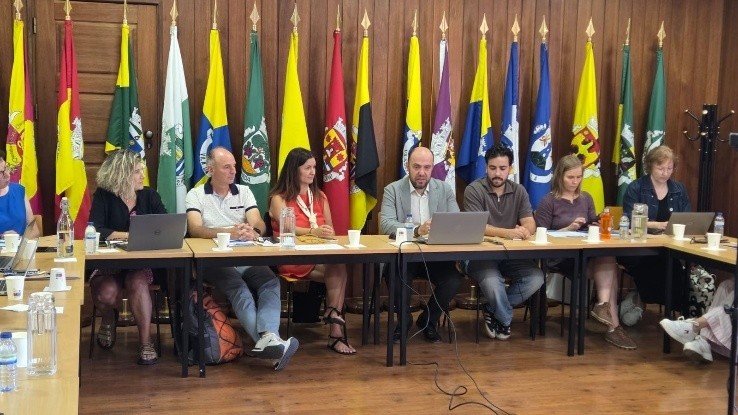
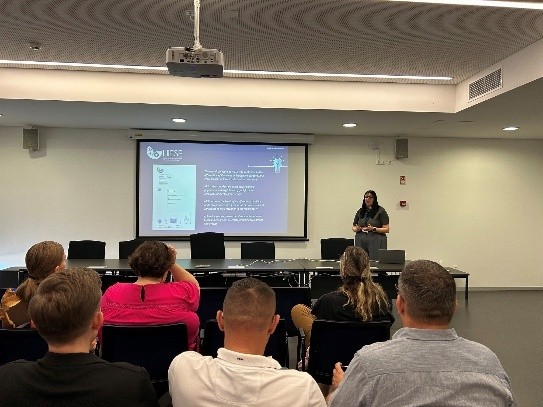
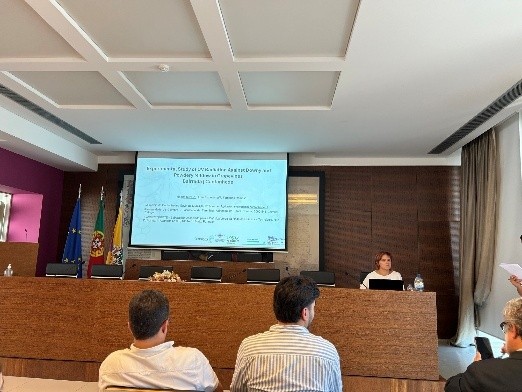
Hosted by the Região Metropolitana de Coimbra, the two-day event brought together FISSH partners and stakeholders for a combination of regional practice presentations, field visits, exchange of experience and discussions on sustainable food, consumer engagement, entrepreneurship and innovation.
The programme provided an opportunity to discover how different initiatives in the region are supporting local food products and businesses, while also allowing FISSH partners to share their own experiences and reflect on how solutions can be adapted to other regional contexts.
Building value around local food and territorial identity
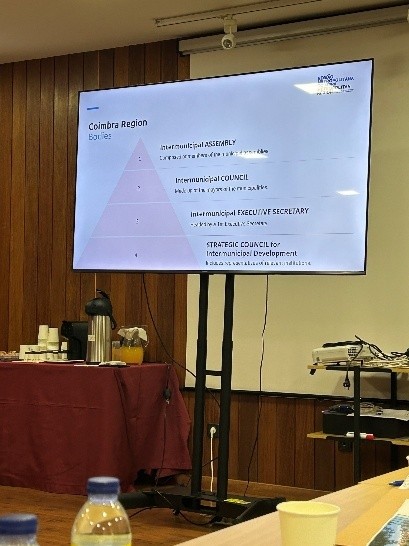
The Região Metropolitana de Coimbra presented its strategic approach to food, gastronomy, local products and territorial identity, highlighting the links between food systems, local economic development and consumer engagement.
A particular focus was placed on the PROVERE Wine and Cheese initiatives, presented by InovCluster. The initiatives bring together regional actors to strengthen the position of two important local product sectors and to increase their visibility and market value.
The PROVERE Cheese initiative focuses on the valorisation of the cheese sector in Central Portugal, with particular attention to quality and certified regional products. Cooperation between producers and regional organisations helps strengthen the identity of the products, improve their visibility and create stronger connections between local production, consumers and the territory.
Together, the two initiatives provided a practical example of how collective action can help small producers increase the visibility and value of local products, rather than relying only on individual businesses to promote themselves.
Connecting research, innovation and the agri-food sector
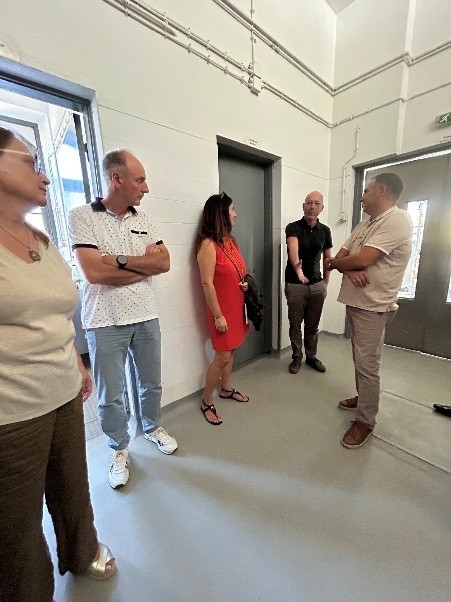
The programme then moved to the Escola Superior Agrária de Coimbra (ESAC) and INOPOL, where participants explored the role of education, applied research and innovation in supporting the agri-food sector.
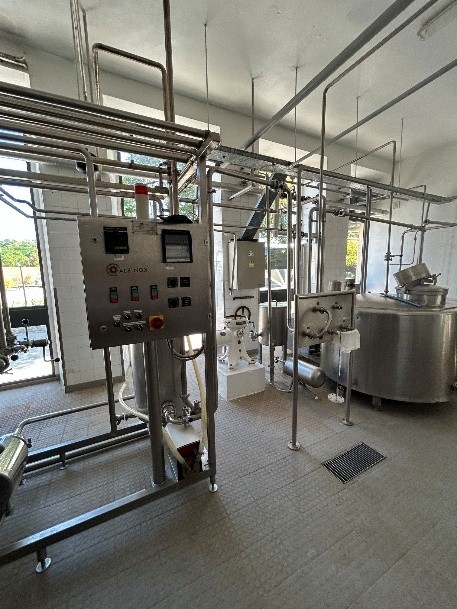
The visit showed how research and knowledge can be connected with practical needs of businesses and the wider regional economy. Facilities and projects presented during the visit illustrated the role of ESAC and INOPOL in applied research, innovation and knowledge transfer.
For FISSH partners, this was particularly relevant in the context of supporting SMEs: innovation can involve not only developing completely new products, but also improving processes, testing new technologies, using resources more efficiently and finding new ways of responding to consumer and environmental challenges.
The afternoon returned to the FISSH project itself. Partner regions presented their TFA3 Good Practices, sharing approaches to sustainable food marketing and consumer engagement. The exchange allowed partners to compare different regional solutions and discuss which elements could potentially be transferred or adapted elsewhere.
Supporting entrepreneurs and new food businesses
The second day focused on entrepreneurship, innovation and practical solutions for the agri-food sector.
HIESE brings together different forms of support for entrepreneurs, including access to knowledge, innovation support, business development and connections with other actors. The focus on agriculture and agri-food was particularly relevant for FISSH, demonstrating how regional ecosystems can help small businesses develop ideas and turn them into market opportunities.
The Cultivar project was also presented as part of the HIESE experience, illustrating the role of innovation and entrepreneurship support in rural areas.
Participants then met three businesses supported by the HIESE ecosystem: BIO4EST, Science 351 and About Aqua Food.
Their presentations provided concrete examples of how innovative businesses can respond to environmental and market challenges.
BIO4EST works at the intersection of entrepreneurship and environmental regeneration, developing projects aimed at restoring degraded land while creating environmental and economic value. Its approach includes carbon capture, biodiversity and nature-based solutions, demonstrating how environmental challenges can become part of new business models.
Science 351 presented an innovation and R&D approach supporting businesses from the development of an idea through research, prototyping and the development of market-oriented solutions. Its work includes applications in areas such as agri-food, sustainable packaging, materials and circular economy, showing how scientific knowledge can be translated into products and services responding to sustainability challenges.
About Aqua Food presented an example of science-based food entrepreneurship. The company works with microalgae, including spirulina, developing sustainable food solutions and exploring the valorisation of natural resources. Its experience illustrates how research, innovation and entrepreneurship can come together to create new products while addressing environmental and sustainability challenges.
The three examples also opened a discussion among FISSH partners about the type of support that small and innovative food businesses need – from access to knowledge and research infrastructure to mentoring, networking and assistance in reaching the market.
Testing innovation in the vineyard
The final part of the Learning Event took the participants to Cantanhede, where they learned about an experimental project investigating the use of UV radiation to combat downy and powdery mildew in vineyards in the Bairrada region.
The visit connected research and innovation directly with a practical challenge faced by agricultural producers. It also demonstrated how cooperation between municipalities, researchers and businesses can create opportunities to test new approaches within a specific territorial context.
Learning across regions
Throughout the two days, the Portuguese examples were complemented by the experiences of FISSH partner regions.
The Coimbra Learning Event provided an opportunity to look at sustainability from several perspectives – from the promotion of local and certified products, through territorial branding and consumer engagement, to research, entrepreneurship and new agricultural technologies.
The different examples also demonstrated that there is no single model for supporting sustainable food SMEs. Regional strategies, cooperation between producers, research institutions, public authorities and businesses, entrepreneurship ecosystems and access to innovation can all play a role in creating an environment in which small food businesses can develop and respond to changing market and environmental conditions.
For the FISSH partnership, the value of the visit was therefore not only in discovering Portuguese initiatives, but also in discussing how these approaches relate to challenges in other European regions.
The Coimbra meeting was another important step in the FISSH interregional learning process, strengthening cooperation between partner regions and providing new ideas for improving support for sustainable and competitive food SMEs.
By bringing together local products, territorial identity, research, entrepreneurship and innovation, the event demonstrated how different parts of a regional food ecosystem can work together to create opportunities for both businesses and communities.